Olive Garden Allergen Menu: How to Order With Food Allergies
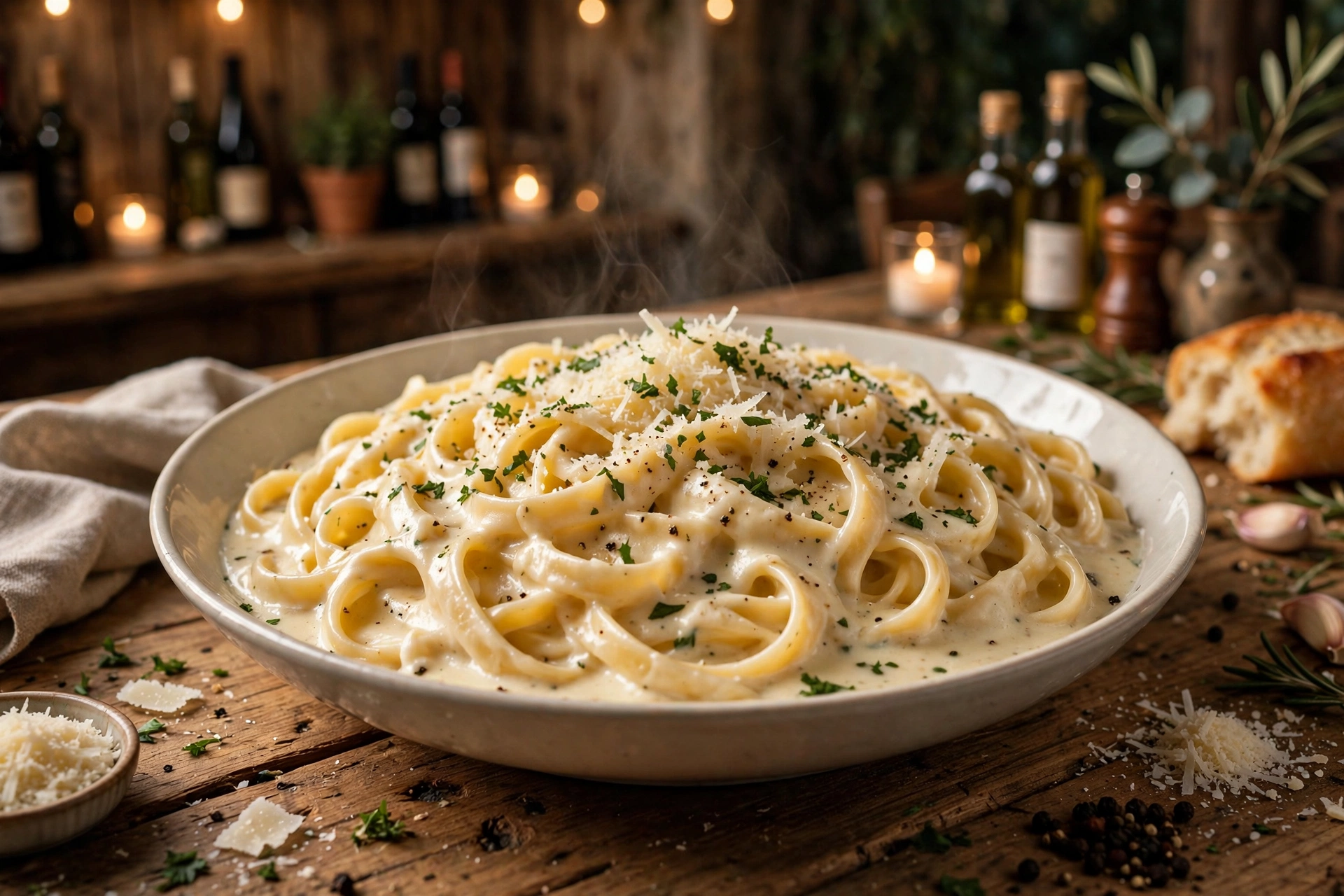
Dining out with food allergies takes planning, and the Olive Garden allergen menu is your starting point. Olive Garden publishes official allergen information for its menu items, which puts it ahead of many casual-dining chains. But published info is only half the battle — shared kitchens, changing recipes, and cross-contact risks mean you need a strategy. This guide covers how to find allergen information, what the top allergens look like across the menu, the right questions to ask your server, and the safest ways to order, as of 2026.
How to Find Olive Garden’s Allergen Information
Olive Garden makes its allergen and nutrition information available through its official channels — typically a downloadable allergen guide or nutrition PDF linked from its website. This is the document to consult before you visit, especially for severe allergies. A few things to know about it:
- It’s organized by menu item, flagging the presence of major allergens in each dish.
- It’s updated periodically, so always check the current version rather than relying on an old printout.
- It reflects standard recipes — customizations and substitutions change the picture.
- As of 2026, menu items and recipes can change, so re-check before each visit if your allergy is serious.
Understanding the Gluten-Sensitive Menu
Olive Garden offers gluten-sensitive menu options, including gluten-sensitive pasta. This is an important distinction: gluten-sensitive does not mean certified gluten-free. The pasta is made without gluten-containing ingredients, but it’s prepared in a shared kitchen where wheat flour is everywhere — from breading stations to pasta water to airborne flour. For diners with mild sensitivity, the gluten-sensitive options may be fine. For anyone with celiac disease or a severe wheat allergy, the cross-contact risk is real and should be discussed directly with the restaurant staff before ordering.
Top Allergens Across the Menu
Here’s how the major allergens show up at Olive Garden:
Milk/Dairy
Dairy is the most widespread allergen on the menu. Cheese tops nearly everything, cream bases the signature soups and Alfredo sauce, and butter is used in many preparations. Dairy-free diners should default to marinara-based dishes and confirm no butter is used in cooking.
Egg
Egg appears in fresh pastas, breaded items, many desserts, and some sauces. Dried pasta shapes are typically egg-free, but always verify.
Wheat/Gluten
Pasta, breadsticks, breaded entrées, croutons, and many desserts all contain wheat. Gluten-sensitive pasta is available, but as noted above, it’s not prepared in a gluten-free environment.
Soy
Soy shows up in various sauces, dressings, and processed ingredients. It’s less obvious than dairy or wheat, which makes the allergen guide especially useful here.
Fish and Shellfish
Salmon, shrimp, and other seafood dishes are clearly marked, but shared fryers and cooking surfaces mean cross-contact is possible for highly sensitive diners.
Tree Nuts and Peanuts
Nuts appear in select dishes and desserts (pine nuts in pesto, for example). They’re less pervasive than dairy or wheat, but dessert cases and garnishes deserve a careful check.
Sesame
Sesame is now recognized as a major allergen and can appear in breads, dressings, and garnishes. Check the current allergen guide for specific items.
Cross-Contact: The Shared-Kitchen Reality
This is the single most important thing to understand: Olive Garden kitchens use shared equipment. Pasta is cooked in shared water, fryers are shared, and prep surfaces handle everything. The allergen guide flags ingredients in the recipe — it cannot guarantee the absence of trace amounts from cross-contact. If your allergy is severe enough that trace exposure matters, you need to have a direct conversation with the manager, not just the server, and make your own judgment about whether the risk is acceptable.
Questions to Ask Your Server (and Manager)
Don’t rely solely on the printed guide. Ask:
- “I have a [specific] allergy — can you walk me through how this dish is prepared?”
- “Is this cooked on shared equipment or in shared oil/water?”
- “Can the kitchen take extra precautions for an allergy order?”
- “Has the recipe for this dish changed recently?”
- “Which items do you recommend as the safest for someone with my allergy?”
- For severe allergies: “Can I speak with the manager about my allergy before ordering?”
Safest Bets for Common Allergies
- Plain grilled proteins (chicken, salmon, steak) with steamed vegetables are among the simplest, most controllable orders — fewer ingredients means fewer risks.
- Minestrone soup is free of the most common animal-based allergens, but verify against your specific allergy.
- Plain pasta with marinara avoids dairy and egg (in most dried pasta shapes), but contains wheat.
- Undressed salad with oil and vinegar lets you control exactly what goes on the plate.
“Safest” never means “guaranteed safe” — always confirm with the restaurant.
Frequently Asked Questions
olivegardensmenue.com/ is an independent guide and is not affiliated with Olive Garden. Allergen information changes over time — this guide reflects information available as of 2026, and recipes and preparation methods vary by location. Always confirm directly with the restaurant before ordering, especially for severe allergies. Prices may vary by location.